
Professional Landscape Maintenance & Management: Key Things To Know
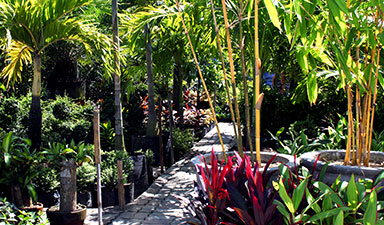
Professional landscape maintenance and management go far beyond keeping outdoor spaces tidy—they ensure long-term plant health, sustainability, and property value. A well-managed landscape requires strategic planning, routine care, and environmentally responsible practices. Anderson Landscaping provides landscape design in Coral Gables, Kendall, Miami, Pinecrest, Key Biscayne, Coconut Grove and surrounding areas.
- Pruning, Fertilizing, and Plant Health Care
Proper pruning is essential for shaping plants, promoting healthy growth, and preventing disease. Professionals understand species-specific pruning schedules, techniques, and seasonal timing, helping plants thrive while avoiding stress or damage. Fertilization supports vigorous growth, but it must be applied with precision. Over-fertilizing can burn plants or pollute waterways, while under-fertilizing may lead to weak growth. A plant health care (PHC) program combines monitoring, soil testing, nutrient management, and targeted treatments to keep the entire landscape resilient and attractive.
- Integrated Pest Management (IPM)
IPM is an environmentally responsible approach to pest control that emphasizes prevention and minimal chemical use. It includes regular monitoring, accurate pest identification, and selecting the least disruptive control methods. Cultural practices—such as proper watering, soil improvement, and plant selection—help prevent infestations before they occur. When intervention is needed, IPM prioritizes biological and mechanical controls, turning to pesticides only as a last resort. This approach protects beneficial insects, reduces chemical reliance, and maintains ecological balance.
- Long-Term Landscape Planning
Successful landscape management includes long-range planning that anticipates plant maturity, seasonal changes, and future property needs. This involves selecting the right plants for the site, planning for growth, budgeting for upgrades, and integrating sustainable features like shade trees or erosion-control plantings. Thoughtful planning reduces long-term maintenance costs and ensures the landscape remains functional and visually appealing.
- Water-Efficient Maintenance Practices
Water conservation is central to modern landscape management. Techniques include drip irrigation, smart controllers, drought-tolerant plant selection, mulch application, and regular irrigation audits. These practices reduce waste, lower costs, and support healthier plant growth by delivering water more effectively.
Please reach out with any questions you might have, and we will be happy to help.
